Friday, 26 October 2012

Blog Post #4- A Comparison of Life

 
The following graph compares the total Life expectancy in each Country on the Y axis and the total fertility rate of woman in each Country on the X axis. The Life expectancy ranges from 47 to 83 years with most Countries in between the 60 and 83 range. Japan is recorded the highest with an expectancy of 83 and Lesotho lowest with 48 years. On the other hand, the children per woman ranges from 1 to 7 with the majority being in between 1 and 2. Niger is the highest with 7 children per woman and Hong Kong with an average of only 1.1 children.
 
This data shows that the more children a female has, the shorter that they are expected to live. For example, because of the high fertility rate in Niger, woman are only expected to live until they are 55, and even in Sierra Leone, with an average of 3 children, they are only expected to live until 48. This information is the way it is because of the amount of stress, weight and unhealthy factors that are involved during and after pregnancy. For example, woman tend to eat more during pregnancy and gain weight. Many end up keeping the weight afterwards which is just unhealthy. As well, stress levels rise with the more children that a woman has. 1 child is easy to take care of, but when more are put into question, that changes. It is proven that the more stress that someone has, the shorter they have to live.
 
All in all, this was a very eye opening comparison of life and explains one of the reasons why certain Countries have shorter life expectancy than others.


Wednesday, 10 October 2012

Blog Post #3- America Votes


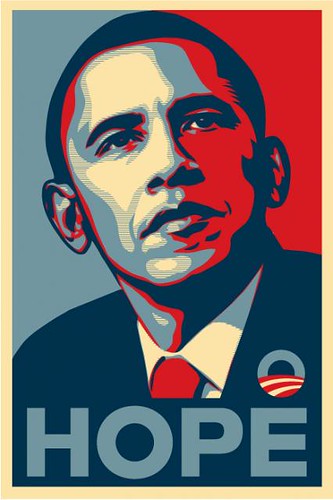
If I were American, the next few months would mean a lot to me. The election is upcoming and I have chosen who I would vote for. Based on the issues that both Presidents are providing, I believe that Barack Obama holds my vote for this election.

I agree that by investing into education, research and technology, in the long term the economy will grow and become stable because more people will have the education to work, the research and technology will be available to make revolutionary things happen, possibly to minimise the risk of getting cancer and other serious conditions. By reducing this, people will be able to live longer and be involved in areas where they are needed.

Obama's tax cuts are also another good issue that he is wishing for. By cutting taxes for smaller businesses that can not afford all of these payments and by making larger and more developed companies pay a little bit more, debt can be reduced in a balanced way.

Although healthcare is not free, it is the closest that America has gotten to not having to pay out of their own pocket, in my opinion. It is called "Obamacare". The health care law that President Obama passed makes the health insurance system work better for everyone. It stops insurance companies from arbitrarily capping and cancelling our coverage, and provides access to recommended preventive care without deductions. It strengthens care for our seniors and it helps young people get the health insurance they need. This is a step in the right direction for every ones necessity in life; health care.

On the other hand, I disagree with Mitt Romney's issues. Reducing and stabilising federal spending(getting rid of the Public Broadcasting Service) will not better the economy, in fact in will set it up for failure in the future. It may look like clear sailing at first, but it will turn into a rocky future ahead. As well, Romney's idea of human capital in my opinion is absolutely false. He states that he will make sure all American workers will get retrained to ensure that they have the education and skills to match the jobs of today’s economy. I believe that this will cause chaos and will take up much time to complete. It will also dip the economy because of the lower amount of work being completed in the period of time that this happens in. Finally, I disagree with his spending policy. As president, Mitt’s goal will be to bring federal spending below 20 percent of GDP by the end of his first term. This will end up eliminating small things at a time which will turn into one big mess.

All in all, Barack Obama has done a very good job by addressing the issues that he will accomplish if he hopefully becomes President for the second time.

Blog Post #2- Death of America's Embassador

 
Some feel angered and even betrayed from the death of Christopher Stevens, who is better known as "America's Ambassador to Lybia". Not only is the death affecting Americans themselves, it is impacting a very important issue today known as the Arab Spring Movement.

If the United States did everything on Arabs' wish lists, there would remain a small, influential fringe that would find another reason to hate or at least dislike the United States. To begin, even when the United States does good things such as ending the war in Iraq, Arab public opinion does not seem to change all that much. Relating back to Libya, anti-American sentiment will almost certainly increase after the NATO operation becomes forgotten by many. For decades, the United States undermined Arab democracy through its consistent support of Arab autocrats. In countries like Egypt, Tunisia, and of course Libya, interests and values are not fully aligned and will never be. But they are as closely aligned as one can hope. The United States is finally playing a positive, even crucial, role in supporting the economic recovery of democratically elected governments that enjoy popular legitimacy. After the death of Christopher Stevens, The White House must redouble its commitment to the Arab Spring. Americans, now more than ever, need to hear a clear narrative of why Arab democrats need our support in their struggle against radicals. "Don't let the terrorists win" is a popular response and also seen as as a crude sentiment. In conclusion, things will have to shape up in order to recover the Arab Spring from the death of the American Ambassador.